
How Fly Cruise Works

Understanding How a Fly Cruise Comes Together.
A Fly Cruise is designed to simplify what would otherwise be a complex international holiday. Instead of managing flights, accommodation and cruising separately, a Fly Cruise package brings these elements together into a single, coordinated itinerary. For Australian travellers, this is particularly valuable when travelling to long-haul destinations such as Asia, Europe, Alaska or North America. A well-planned Fly Cruise ensures that your flights align with your cruise departure, your transfers run smoothly and any accommodation is built into the overall journey, removing much of the guesswork from the planning process. At its core, a Fly Cruise works by seamlessly connecting each stage of your trip so that your holiday flows from departure to return without gaps or unnecessary complexity.
A Typical Fly Cruise Journey
A Fly Cruise typically begins with international flights departing Australia to your chosen destination. Depending on the itinerary, this may include a stopover or direct routing to a major cruise port such as Rome, Barcelona, Vancouver, Singapore or Miami. Once you arrive, most packages include one or more nights of accommodation. This serves two important purposes. It allows you to adjust to the destination and time zone, and it also reduces the risk of travel delays impacting your cruise departure. From there, transfers may be arranged to take you from your hotel to the cruise terminal, where your sailing begins. The cruise itself is the central part of the journey, taking you through multiple destinations with accommodation, dining and entertainment included. At the end of your cruise, you will either return directly to Australia or, in some cases, include an additional stay or extension before flying home. The result is a balanced itinerary that combines international travel, cruising and onshore experiences in a single trip.
Cruiseco Tip: We can’t recommend enough the need to arrive at least one night before your cruise, in case you experience flight delays enroute.
How Flights Are Managed in a Fly Cruise
Flights are one of the most important components of a Fly Cruise, and they are also the area where timing and planning matter most. Airfares are typically packaged alongside the cruise and other inclusions, but they are only available to be fully confirmed within the airline booking window. This means that while a Fly Cruise package can be secured well in advance, the finalisation of flight details often occurs closer to departure, when airlines release inventory for ticketing. This is a standard part of the process and ensures that routing, availability and pricing are aligned with airline systems. In many cases, cruisers will see indicative flight pricing or inclusions when booking, with final flight details confirmed once they fall within the system range. For travellers, this means that while the overall package is secured early, some elements, particularly flights, are finalised later as part of the normal airline booking cycle. Each airline allows flight bookings at different times, but 300 to 330 days before travel is the typical booking window. If you’re booking return flights, you would need to wait until the last flight becomes available in the airline systems.
Crusieco Tip: We only build Fly Cruise packages using full service carriers and we strive to make travel seamless.
Accommodation, Transfers and Inclusions
Beyond flights and the cruise itself, a Fly Cruise package often includes additional elements designed to create a more complete travel experience. Accommodation is typically arranged in well-located hotels either before or after your cruise, depending on the itinerary. Transfers between the airport, hotel and cruise terminal are also commonly included, ensuring a smooth transition between each stage of your trip. Onboard the cruise, your accommodation, main meals and entertainment are included, with some packages also incorporating additional benefits such as beverages, Wi-Fi or onboard credit. The combination of these elements means that a Fly Cruise is not simply a cruise with flights added, but a structured holiday designed to work as a whole.
Cruiseco Tip: We only include well located, quality hotels. If you’re comparing options online, keep this mind.
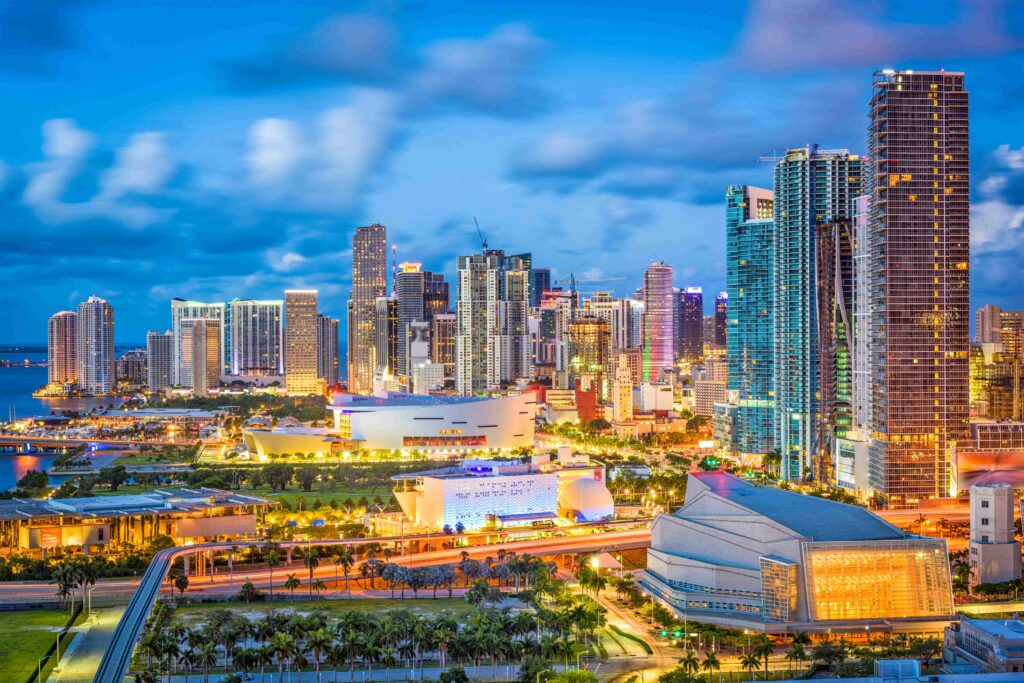
Why the Structure Matters
The key advantage of a Fly Cruise lies in how the components are connected. International travel involves multiple moving parts, and when these are planned independently, there is a greater risk of misalignment between flights, accommodation and cruise departures. By aligning all elements into a single itinerary, a Fly Cruise removes much of this complexity. Flights are scheduled to arrive in time for your cruise, hotels are positioned to support your journey, and transfers ensure you move efficiently between each stage. This structure gives travellers confidence that their trip is coordinated, while still allowing flexibility in choosing destinations, cruise lines and travel styles.
Flexibility Within a Fly Cruise
While Fly Cruise packages are structured, they still offer a degree of flexibility. Travellers may be able to extend their stay before or after the cruise, upgrade flights or accommodation, or tailor certain aspects of the itinerary to suit their preferences. The balance between structure and flexibility is one of the reasons Fly Cruise appeals to a broad range of travellers. It provides a clear framework while still allowing for personalisation where it matters most.
Explore Fly Cruise Options
Understanding how a Fly Cruise works is the first step. The next is exploring the destinations, itineraries and packages available.
Bringing It All Together
The best part about how fly cruise works is that it brings flights, accommodation and cruising into a single, well-planned journey, making it one of the most accessible ways for Australian travellers to explore the world by cruise. By simplifying logistics and combining key elements into one itinerary, it allows you to focus less on planning and more on the experience itself, whether that means exploring Europe, cruising through Alaska or discovering new destinations across Asia and beyond.
Featured Fly Cruise Packages
Exclusive Offer!
Tahiti Breeze
Fly, Cruise & Stay Package
Papeete Return
- International Flights
- 2 Nights Hotel in Tahiti
- 7 Night Cruise, Star Breeze
- Signature Beach Party in Bora Bora
Apr 20, 2027 | 9 Nights
From: $7,165* per person

EXCLUSIVE $300^ Onboard Credit!
Alaska's Inside Passage: Fjords of The Great Land
Fly, Cruise & Stay Package
Vancouver to Anchorage (Whittier)
- Return International Flights
- 3 Nights Hotel in Vancouver
- 9 Night Cruise, MS Roald Amundsen
- Escorted landings
May 19, 2027 | 12 Nights
From: $10,799* per person

Overnight in Phuket
Singapore & Phuket Escape
Fly, Cruise & Stay Package
Singapore Return
- Return International Flights
- 2 Nights Hotel in Singapore
- 5 Night Cruise, Navigator of the Seas®
- Main meals & entertainment onboard
May 22, 2027 | 7 Nights
From: $2,399* per person

Exclusive Offer!
Dreams of Tahiti
Fly, Cruise & Stay Package
Papeete Return
- International Flights
- 3 Nights Hotel in Tahiti
- 7 Night Cruise, Wind Star
- Signature Beach Party in Bora Bora
Jun 18, 2027 | 10 Nights
From: $6,499* per person
EXCLUSIVE $300^ Onboard Credit!
Alaska's Inside Passage: Where the Mountains Meet the Sea
Fly, Cruise & Stay Package
Anchorage to Vancouver
- Return International Flights
- 1 Night Hotel in Anchorage
- 12 Night Cruise, MS Roald Amundsen
- 2 Night Hotel in Vancouver
Jun 20, 2027 | 15 Nights
From: $13,449* per person
SAVE up to $2,460* per stateroom!
Ultimate Western Canada, Rockies & Alaska
Fly, Cruise & Tour Package
Vancouver to Anchorage
- Return International Flights
- 2 Nights Hotel in Vancouver
- 7 Night Western Canada Iconic Sites Escorted Tour
- 7 Night Cruise-tour, Nieuw Amsterdam
Jul 16, 2027 | 19 Nights
From: $10,999* per person

SAVE up to $1,200* per stateroom!
Rockies to the Inside Passage
Fly, Tour & Cruise Package
Vancouver Return
- Return International Flights
- 2 Nights Hotel in Vancouver
- 4 Night Rockies Summer Escorted Tour
- 7 Night Cruise, Koningsdam
Aug 15, 2027 | 13 Nights
From: $7,699* per person
BONUS $150^ Onboard Credit!
Baltics & Norway
Fly, Cruise & Stay Package
Copenhagen Return
- Return International Flights
- 2 Nights, Hotel in Copenhagen
- 14 Night Cruise, MSC Magnifica
- Visit historic Baltic capitals and cities
Aug 27, 2027 | 16 Nights
From: $9,469* per person

SAVE up to $1,265* per stateroom!
Coastlines & Culture of Southeast Asia
Fly, Cruise & Stay Package
Hong Kong to Singapore
- International Flights
- 3 Nights in Hong Kong & Singapore
- 14 Night Cruise, Noordam
- Main meals & entertainment onboard
Nov 06, 2027 | 17 Nights
From: $4,759* per person
SAVE up to $545* per stateroom!
Thailand & Vietnam New Year Celebration
Fly, Cruise & Stay Package
Singapore Return
- Return International Flights
- 3 Nights Hotel in Singapore
- 10 Night Cruise, Quantum of the Seas®
- Main meals & entertainment onboard
Dec 30, 2027 | 13 Nights
From: $5,629* per person
SAVE up to $1,685* per stateroom!
Australia's South Pacific Discovery
Fly, Cruise & Stay Package
Sydney to Auckland
- 26 Night Cruise, Westerdam
- Main meals & entertainment onboard
- 2 Nights Hotel in Auckland
- One-way International Flight
Jan 04, 2028 | 28 Nights
From: $7,615* per person